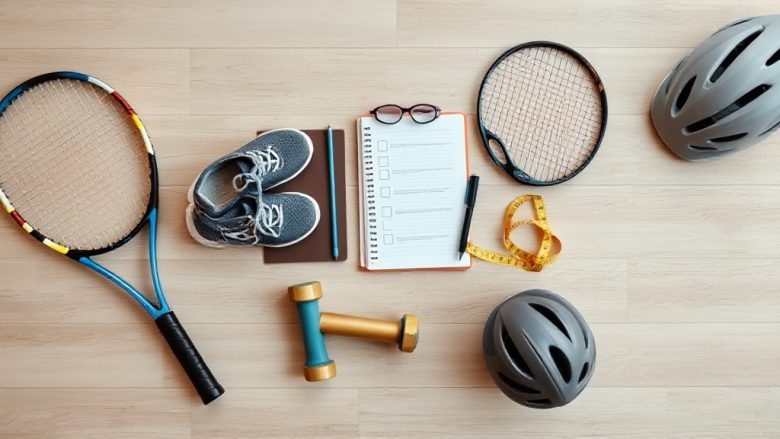
There’s a particular kind of frustration in spotting a nearly new pair of running shoes in the closet, worn twice, or a tennis racket that cost more than a month of groceries sitting untouched in the garage. Most of us have been there. The gear looked great in the shop, the sales pitch was convincing, and then real life got in the way. Learning how to choose the right sports equipment isn’t about finding the cheapest option or the most premium one. It’s about matching the gear to how you actually move, how often you’ll use it, and what you can genuinely afford to spend without resentment.
This checklist is built for recreational athletes and parents buying for kids. It won’t turn you into a gear expert overnight, but it will stop you from wasting money on the wrong thing. Work through the five questions below before you hand over your card, then use the budget matrix and red flags to sanity-check your decision.
Five Questions to Ask Before Buying Any Sports Equipment
The single biggest cause of unused gear is buying for the athlete you imagine you’ll become rather than the one you are today. These five questions force an honest answer.
1. How often will I actually use this? Not how often you’d like to, or how often you plan to once life calms down. Count the realistic sessions per month. If you play tennis once a week in summer and not at all in winter, you’re a seasonal user, and that changes what you should buy. A recreational player logging two sessions a month doesn’t need a racket strung for a tournament player, and a parent whose child tries a sport for one term shouldn’t buy top-tier gear on the first outing.
2. What level am I really at? Beginner, intermediate, and advanced gear are built differently. Beginner equipment tends to be more forgiving: wider sweet spots, softer flex, more stability. Advanced gear rewards skill with precision but punishes sloppy technique. Buying above your level is one of the most common and expensive mistakes, especially in golf, cycling, and racquet sports.
3. Does it fit my body, not just my sport? Fit matters more than features. Shoes that are half a size wrong will cause blisters no matter how good the cushioning is. A bike frame that’s too large will hurt your back on every ride. A child’s ski boots that are two sizes too big will wreck their confidence. Always prioritise fit over spec sheets.
4. Where will I store and transport it? A kayak is a wonderful purchase until you realise you have nowhere to keep it. A treadmill is great until you measure the room. Think about storage, car space, and how often you’ll need to carry the item. Gear that’s a hassle to move gets used less.
5. What’s my total cost of ownership? The purchase price is only part of it. Running shoes need replacing every 500 to 800 kilometres. Bikes need servicing, tyres, and chains. Racquet sports need restringing. Ski gear needs waxing and storage. If the ongoing costs are more than you’re comfortable with, buy a lower tier or consider renting first.
The Budget vs. Frequency Matrix
Once you’ve answered those questions, use this simple matrix to decide how much to spend. The idea is to let frequency and commitment drive the budget, not the other way around.
If you’ll use the equipment fewer than ten times a year, rent, borrow, or buy entry-level second-hand. The goal is to test whether you even enjoy the sport before committing real money. A parent whose child wants to try ice hockey should hire skates for the first season, not buy them.
If you’ll use it once or twice a month, buy mid-range new or high-quality second-hand. This is the sweet spot for most recreational athletes. You want reliable gear that won’t fall apart, but you don’t need the marginal gains that cost double.
If you’ll use it weekly or more, invest in quality that fits you properly. At this frequency, comfort and durability pay for themselves. Get fitted professionally where possible, especially for shoes, bikes, and ski boots.
If you’re training for competition or using it almost daily, buy the best you can justify, and budget for maintenance and replacement. At this level, gear is a tool, and cheap tools cost more over time.
A quick rule for parents: children grow. Buy for the season ahead, not for three years from now. Adjustable gear, like skates with adjustable sizing or bikes with growing frames, can stretch your money further without compromising safety.
Red Flags That Mean You Should Walk Away
Some purchases look like bargains but end up costing more in frustration. Watch for these warning signs.
Pressure to buy today. If a salesperson says the price is only good for the next hour, that’s a sales tactic, not a genuine deal. Good gear is available tomorrow.
No return policy or a very short one. Sports equipment is personal. If you can’t return it after a trial session, you’re taking on all the risk. Ask about the return window before you buy, and keep the receipt.
Gear that’s too advanced for your level. A stiff, unforgiving racquet or a race-oriented bike will make the sport harder, not easier. If the salesperson can’t explain why a beginner would benefit from it, it’s probably not for you.
Second-hand items with hidden damage. Cracked bike frames, worn-out shoe midsoles, and delaminated skis are common in the used market. If you can’t inspect it in person or get clear photos, be cautious. For helmets especially, never buy used. A helmet that’s been in a crash may look fine but has already done its job.
Prices that seem too good. Extremely cheap gear often cuts corners on safety, materials, or both. This is especially true for helmets, climbing gear, and protective equipment. Save money on clothing and accessories, not on things that protect your body.
Where to Buy and What to Expect
Different channels suit different purchases. Specialty sports shops offer expertise and fitting, which is worth paying for on big-ticket items like bikes, ski boots, and running shoes. The staff usually play the sport, and they’ll steer you away from mistakes.
General sporting goods stores are fine for basic gear, clothing, and accessories. They’re convenient and often have sales, but don’t expect deep technical advice.
Second-hand marketplaces and community noticeboards are excellent for children’s gear and seasonal equipment, because kids outgrow things fast and adults lose interest. Inspect carefully, ask about age and use, and meet in a safe public place.
Online shopping works well when you already know your size and model. Read the return policy carefully. If you’re buying shoes or boots online for the first time, order from a retailer with free returns so you can try two sizes and send one back.
Rental and demo programmes are underrated. Many ski resorts, bike shops, and tennis clubs let you try before you buy, and the rental fee often comes off the purchase price. If you’re unsure, rent first.
Maintenance: The Part Most People Skip
Gear lasts longer and performs better when you look after it. This isn’t about being precious with your equipment. It’s about protecting the money you’ve spent.
Clean and dry everything before storage. Sweat, mud, and moisture are the enemies of shoes, pads, and metal components. A damp tennis bag or a wet bike chain will cause problems within weeks.
Follow the manufacturer’s service intervals. Bikes need chain lubrication and periodic brake checks. Ski and snowboard edges need tuning. Running shoes need replacing before the midsole collapses, even if the upper still looks fine. A good rule is to track the kilometres or sessions, not the calendar.
Store gear somewhere dry and out of direct sun. UV light degrades rubber, plastics, and synthetic fabrics. A hot garage or a sunny balcony will shorten the life of almost anything.
Replace safety-critical items on schedule. Helmets, climbing ropes, and carabiners have recommended lifespans even if they look untouched. If you’re unsure, err on the side of replacement.
Final Thoughts: Buy for the Athlete You Are
The best sports equipment is the gear you actually use. It fits, it suits your level, it survives your storage situation, and it doesn’t make you wince every time you look at your bank balance. Before your next purchase, run through the five questions, check your place on the budget matrix, and walk away from anything that feels pushy or too good to be true. Buy for the athlete you are today, not the one you hope to be someday. If you’re unsure, rent or borrow first. Your future self, and your wallet, will thank you.